
7 running shoes that make plantar fasciitis easier to manage — without turning every run into a heel-pain test.
If you want the short version, start with the Brooks Glycerin 22 if you prefer a neutral, plush ride, or the Brooks Adrenaline GTS 25 if you know you feel better in a more guided, supportive shoe. The rest of this guide helps you match the right shoe to your stride, bodyweight, workday, and pain pattern.
🛡 Best support: Brooks Adrenaline GTS 25
💰 Best budget: NORTIV 8 ActiveFloat
👣 Best high-stability pick: Brooks Beast GTS 24
Quick answer
The best running shoe for plantar fasciitis is usually the one that reduces repeated strain on the heel while still feeling natural for your gait. In practice, that means looking for a stable heel platform, enough cushioning to soften landing, a shape that does not force your arch to work overtime, and a fit that lets your foot relax instead of gripping the shoe.
Affiliate disclosure: As an Amazon Associate, GearUpToFit may earn from qualifying purchases. Prices and availability can change.
How we made this list
This guide focuses on what matters most for runners and walkers dealing with plantar fascia irritation: heel comfort on first step, stability through stance, underfoot cushioning that does not feel mushy and unstable, and real-world fit for daily use. We also weighted price, review volume, and whether the shoe solves a clear use case instead of trying to be everything for everyone.
What we prioritized
- Reliable cushioning for heel strike and long standing days
- Stable geometry for people who need a calmer, more guided ride
- Comfortable upper fit that does not create extra foot tension
- Strong value in the actual price bands people shop in
Who this guide is for
- Runners managing heel pain during easy runs or return-to-run phases
- Walkers, nurses, teachers, and shift workers who need all-day comfort
- Buyers choosing between neutral cushioning and support/stability models
- People who want a clear shortlist instead of a giant generic shoe dump
Top picks: the best running shoes for plantar fasciitis in 2026
If you only read one section, read this one. The picks below are grouped by use case so you can stop comparing the wrong shoes against each other.
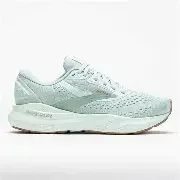
Brooks Women’s Adrenaline GTS 25
If plantar fasciitis feels worse when your foot rolls inward or when you spend all day on your feet, this is the safest structured pick on the list. It is the shoe I would start with for women who want support without the clunky feel of an old-school motion-control brick.
- Why it stands out: very strong all-around support choice if plantar fasciitis is tied to instability or fatigue late in the day.
- Choose this if: you want a supportive trainer that still works for walking, errands, and easy miles.
- Skip this if: you strongly prefer a softer, more neutral, less guided ride.
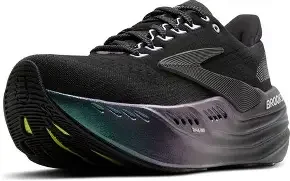
Brooks Men’s Glycerin 22
This is the best overall pick for most runners who want a plush, forgiving shoe without moving into aggressive stability territory. If you are not sure whether you need a support shoe, the Glycerin 22 is the more universally comfortable place to start.
- Why it wins: easy to recommend, easy to wear, and easier on angry heels than firmer, harsher trainers.
- Choose this if: your pain comes from impact sensitivity more than obvious instability.
- Skip this if: you already know you do better in structured stability shoes.
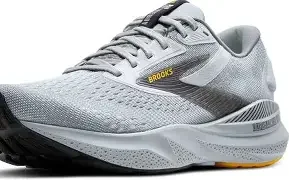
Brooks Men’s Adrenaline GTS 24
If you want proven support and do not need to pay full current-model pricing, this is the value stability buy. It is especially appealing if you know the Adrenaline platform works for your feet and you simply want the more affordable version.
- Why it stands out: probably the easiest recommendation for shoppers who need support but still care about value.
- Choose this if: you want a reliable supportive trainer for regular mileage.
- Skip this if: you specifically want the newest update or a softer neutral feel.
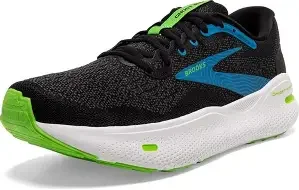
Brooks Men’s Ghost Max 3
This is the pick for runners and walkers who want a more protective, max-cushion neutral ride without immediately jumping to a super-soft marshmallow feel. It is a strong option if heel pain flares when your shoes feel too firm or too minimal.
- Why it stands out: excellent for people who need their daily shoe to feel forgiving from the first mile to the last errand.
- Choose this if: you want a neutral shoe that leans comfort-first.
- Skip this if: you need stronger guidance against inward collapse.
Brooks Men’s Beast GTS 24
This is the shortlist pick for runners and walkers who know they need more control, a stronger platform, and a shoe that feels planted rather than playful. It is also a good option for bigger runners or people who tear through lighter shoes fast.
- Why it stands out: it offers the most “built-up” support feel of the shoes on this list.
- Choose this if: you feel under-supported in lighter stability models.
- Skip this if: you prefer a more flexible, lower-bulk trainer.
Brooks Men’s Adrenaline GTS 25
If you want the current Adrenaline rather than the value play, this is the cleaner premium support recommendation. It is the one to choose if your priority is dependable guidance plus a fresher current-generation build.
- Why it stands out: best option here if you want a current-model support shoe and do not mind paying more than the GTS 24.
- Choose this if: support is non-negotiable and you want the latest update.
- Skip this if: price matters more than getting the newest model year.
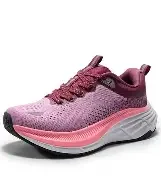
NORTIV 8 Women’s ActiveFloat
This is the budget-friendly option for people who need better comfort for walking, long standing, travel, and light run/walk use without paying Brooks money. It is not the most premium performance shoe here, but it is the easiest price-to-comfort recommendation.
- Why it stands out: strongest budget value if your heel pain shows up more during long standing and daily walking than hard workouts.
- Choose this if: you want comfort at a lower price and are not chasing a premium running-specific trainer.
- Skip this if: your main goal is a higher-end dedicated running shoe for regular mileage.
Quick comparison table
| Shoe | Best for | Support style | Price | Rating | Reviews |
|---|---|---|---|---|---|
| Brooks Glycerin 22 | Most neutral runners with heel pain | Plush neutral cushioning | $114.95 | 4.7 | 1,622 |
| Brooks Women’s Adrenaline GTS 25 | Women who want guidance and support | Structured support | $154.95 | 4.6 | 867 |
| Brooks Men’s Adrenaline GTS 24 | Best-value stability buy | Structured support | $99.95 | 4.6 | 5,426 |
| Brooks Ghost Max 3 | Runners wanting more cushioning | Max-cushion neutral | $159.95 | 4.6 | 901 |
| Brooks Beast GTS 24 | Heavier runners / maximum stability needs | High stability | $119.95 | 4.5 | 1,943 |
| Brooks Men’s Adrenaline GTS 25 | Current premium support pick | Structured support | $154.95 | 4.7 | 620 |
| NORTIV 8 Women’s ActiveFloat | Budget comfort and walking-first use | Comfort-focused budget option | $53.99 | 4.5 | 4,433 |
How to choose the right shoe if you have plantar fasciitis
1) Do not start with “most popular”
The right shoe depends on why your heel hurts. Some runners need a more guided platform because their foot collapses inward when they fatigue. Others feel much better in a neutral shoe with more protective cushioning and less harshness under the heel.
2) Support is not automatically better
If you naturally run well in neutral trainers, forcing yourself into a heavy support shoe can feel awkward. If you know you like structured shoes, the Adrenaline and Beast models make more sense. If you do not, start with the Glycerin 22 or Ghost Max 3.
3) Cushioning should feel protective, not sloppy
Plantar fasciitis often feels worse in shoes that are either too firm and harsh or too unstable and sinky. You want enough underfoot comfort to reduce impact stress without feeling like your heel is wobbling around on soft foam.
4) Fit matters more than people admit
If the shoe feels cramped, your toes grip. If your heel slips, you tense up. If the arch feels like it is jabbing you, you stop trusting the shoe. A shoe that looks perfect on paper but feels wrong in the first ten minutes is usually the wrong buy.
My shortlist by runner type
Choose the Brooks Glycerin 22 if…
- you want the easiest all-around neutral recommendation
- your heel mainly hates harsh landings, not instability
- you want one shoe for easy runs, walking, and general comfort
Choose the Adrenaline line if…
- you know you like support shoes
- you overpronate or feel your arch collapses as you fatigue
- you want a safer support-first recommendation
Choose the Ghost Max 3 if…
- you want more protection and softness than a traditional daily trainer
- you spend a lot of time walking or standing between runs
- you prefer neutral shoes but still want a comfort-first ride
Choose the Beast GTS 24 if…
- lighter support shoes still feel too loose or unstable
- you are a heavier runner or need a stronger, planted platform
- you want a support shoe that also works for long walking days
What shoes can and cannot do for plantar fasciitis
What the right shoe can do
- reduce repeated heel stress
- make morning stiffness and return-to-run miles more manageable
- help you tolerate walking, standing, and easy runs better
- give you a more stable, calmer ride if instability is part of the problem
What the right shoe cannot do
- fix overload from too much volume too soon
- replace calf/foot strength work
- solve every case if your current pain is severe or long-standing
- erase poor recovery, poor training progression, or a shoe fit mismatch elsewhere in your rotation
FAQ
Is a stability shoe always better for plantar fasciitis?
No. Some runners clearly feel better in support shoes, but others do better in a neutral, well-cushioned model. If you already know you like supportive trainers, start with the Adrenaline or Beast. If not, the Glycerin 22 is the safer neutral-first place to begin.
What matters more: cushioning or arch support?
Usually the best answer is “the right mix.” Too little cushioning can feel harsh. Too much softness without stability can feel sloppy. You want a shoe that calms the heel down and makes your stride feel controlled.
Can I use walking shoes instead of running shoes?
Yes, especially if your pain is worst during long standing shifts, travel, or casual walking. That is why the NORTIV 8 makes this list as the budget comfort option. But if you run regularly, a true running shoe will usually feel better for training loads.
Which shoe here is the safest blind buy?
The Brooks Glycerin 22 is the safest blind buy for the largest number of neutral runners. The Brooks Adrenaline GTS 25 is the safest blind buy if you already know you benefit from support shoes.
Do I need to replace my shoes sooner if I have plantar fasciitis?
Often, yes. Once the cushioning feels flat or the shoe feels less stable than it did when fresh, heel pain can creep back in faster. If your symptoms keep returning, review your mileage, your wear pattern, and whether the current shoe is simply past its useful life.
Prices, ratings, and review counts in this guide reflect the data supplied for this update and may change over time on Amazon.
