
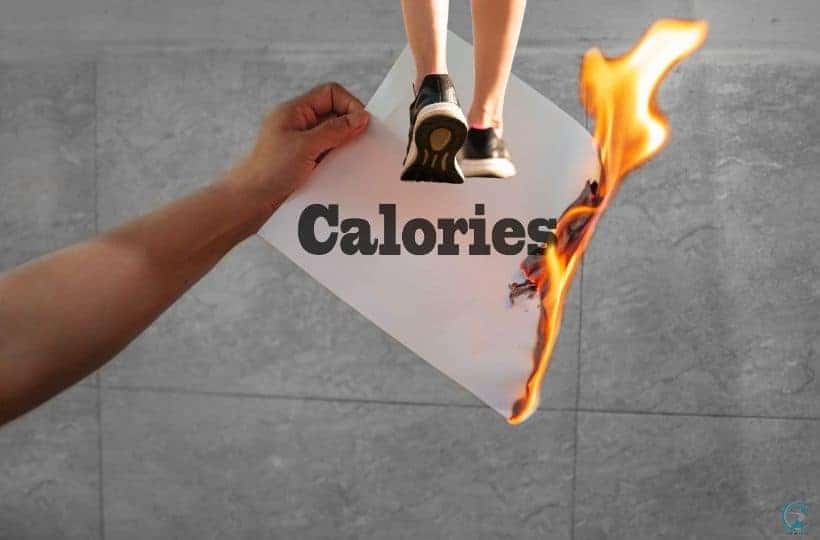
Walking can absolutely help you lose weight—when it is treated like a repeatable system, not a random stroll. This guide shows you exactly how many steps to aim for, how fast to walk, how to progress without joint pain, what to eat, and which gear is actually worth considering.
Medical note: This article is educational and not medical advice. If you have chest pain, dizziness, pregnancy-related concerns, diabetes medication, joint disease, heart disease, or a history of eating disorders, speak with a qualified clinician before changing your exercise or diet plan.
Quick answer for featured snippets
Can you lose weight by walking?
Yes. You can lose weight by walking if walking helps you create a consistent calorie deficit. A practical starting target is 150 minutes per week of brisk walking, then progress toward 225–300 minutes per week if fat loss is the main goal. Many people do well with 7,000–10,000 daily steps, two or three short post-meal walks, and two weekly strength sessions to preserve muscle.
Table of contents
How walking helps you lose weight
Walking helps weight loss in four simple ways: it raises daily energy expenditure, increases non-exercise activity thermogenesis, improves cardiorespiratory fitness, and makes a calorie deficit easier to sustain. The advantage of walking is not that it is magical. The advantage is that it is easy to repeat.
Mayo Clinic notes that adding 30 minutes of brisk walking can burn roughly 150 extra calories per day, with the exact number depending on body weight, speed, terrain, and walking volume. That might sound small, but repeated daily movement is often more sustainable than intense workouts that leave you sore, hungry, or inconsistent.
The 2024 JAMA Network Open dose-response meta-analysis on aerobic exercise and weight loss found that aerobic training above 150 minutes per week at moderate intensity or greater may be needed for clinically meaningful reductions in waist circumference and body fat. Translation: a 10-minute walk is valuable, but a structured weekly dose works better for fat loss.
The real fat-loss equation
Walking is the activity lever. Nutrition is the deficit lever. Strength training is the muscle-preservation lever. Sustainable weight loss usually needs all three.
1. Walk enough
Build toward 150–300 weekly minutes of moderate walking, depending on your starting point and goal.
2. Eat enough protein
Many active adults do well around 1.4–2.0 g protein/kg/day, adjusted for body size, health status, and preferences.
3. Lift twice weekly
Walking burns calories. Strength training helps preserve lean mass while you lose fat. Use this running and strength training schedule as a hybrid template.
How much should you walk to lose weight?
The best walking target is the one you can hit consistently and progress gradually. For most readers, the sweet spot is brisk walking 30–60 minutes per day, 5–6 days per week, plus ordinary daily steps from errands, stairs, work breaks, and household movement.
The CDC recommends at least 150 minutes of moderate-intensity aerobic activity weekly plus two days of muscle-strengthening activity. For weight loss, the practical target often needs to be higher: 225–300 weekly walking minutes, especially if food intake is only slightly reduced.
| Your current average | First target | Fat-loss target | Best next move |
|---|---|---|---|
| Under 3,000 steps/day | 3,500–5,000 steps/day | 6,000–7,000 steps/day | Add 5–10 minutes after two meals. |
| 3,000–5,999 steps/day | Add 1,000 steps/day | 7,000–8,500 steps/day | Schedule one 20–30 minute brisk walk. |
| 6,000–8,999 steps/day | Hold steps steady | 8,000–10,000 steps/day | Improve pace, incline, or consistency. |
| 9,000+ steps/day | Protect consistency | 10,000–12,000 steps/day if recovery is good | Add intervals, hills, or strength—not endless extra steps. |
Are 10,000 steps necessary?
No. Ten thousand steps is a useful benchmark, not a biological rule. A large 2025 Lancet Public Health review found strong health benefits around 7,000 daily steps, and earlier JAMA Network Open research found that middle-aged adults taking at least 7,000 steps per day had lower mortality risk than those taking fewer steps. For weight loss, 10,000 steps can still be helpful because it raises daily calorie burn, but the correct target depends on your baseline, joints, schedule, and nutrition.
What counts as “brisk” walking?
Use the talk test. The CDC defines moderate intensity as activity where you can talk but not sing. For many adults, this feels like a purposeful walk around 3 mph or faster, but heart rate, fitness, hills, heat, and body size all change perceived effort.
How many calories does walking burn?
Calories burned walking depend on body weight, distance, pace, grade, and whether you add poles or load. The estimates below use standard MET-based exercise calculations, so treat them as planning ranges—not exact smartwatch truth.
| 30-minute walking session | 125 lb person | 175 lb person | 225 lb person | Best use |
|---|---|---|---|---|
| Brisk walk, about 3.0 mph | ~98 kcal | ~138 kcal | ~177 kcal | Beginner daily base |
| Brisk walk, about 3.5 mph | ~128 kcal | ~179 kcal | ~230 kcal | Fat-loss pace work |
| Very brisk walk, about 4.0 mph | ~149 kcal | ~208 kcal | ~268 kcal | Intermediate workouts |
| Incline walk or moderate Nordic walk | ~158 kcal | ~221 kcal | ~284 kcal | More burn without running |
| Steeper uphill walking | ~238 kcal | ~333 kcal | ~429 kcal | Advanced, lower-frequency work |
For a more personalized estimate, use the GearUpToFit fitness calculator hub or calculate your daily calorie needs with the BMI, BMR, WHR, and TDEE calculator.
The 12-week walking plan for weight loss
This plan uses progressive overload: first you build consistency, then volume, then intensity. Do not increase everything at once. If your knees, hips, feet, or lower back start complaining, reduce intensity before you reduce the habit.
Week 1: Baseline week
Track your normal steps for seven days without trying to “win.” Record average daily steps, total walking minutes, morning body weight, waist measurement, sleep, and any joint pain. Your only goal is honesty.
Weeks 2–3: Add the first layer
Add 500–1,000 daily steps above baseline. The easiest method is two 5–10 minute walks after meals. Keep the pace comfortable. Finish feeling better than when you started.
Weeks 4–5: Build brisk minutes
Keep your new step target and make 3 walks per week brisk. Use the talk test: talk, yes; sing, no. Aim for 20–30 minutes per brisk session.
Weeks 6–7: Reach the health minimum
Build toward at least 150 weekly minutes of moderate walking. A simple split is 30 minutes, 5 days per week. Add two short strength sessions to protect lean mass.
Weeks 8–9: Add intervals
Twice weekly, walk 3 minutes brisk, then 2 minutes easy. Repeat 6 times. This increases calorie burn and fitness without turning walking into a punishing workout.
Weeks 10–12: Choose one upgrade
Choose one: incline walking, Nordic walking, a longer weekend walk, or a light weighted vest. Only add one upgrade at a time. For treadmill specifics, read incline walking vs running for fat loss.
Weekly schedule template
| Day | Workout | Purpose |
|---|---|---|
| Monday | 30-minute brisk walk | Moderate aerobic base |
| Tuesday | 20-minute easy walk + strength | Recovery + muscle preservation |
| Wednesday | Interval walk: 3 min brisk / 2 min easy x 6 | Fitness and calorie burn |
| Thursday | Two 10-minute post-meal walks | Glucose control and consistency |
| Friday | 30–45 minute brisk walk | Weekly volume |
| Saturday | 45–75 minute easy scenic walk | Endurance and adherence |
| Sunday | Rest, mobility, or 20-minute easy walk | Joint recovery |
Best walking workouts for weight loss
You do not need complicated workouts. You need repeatable variations that let you progress without getting bored.
1. The post-meal 10
Walk for 10 minutes immediately after breakfast, lunch, or dinner. A 2025 Scientific Reports study found that a 10-minute walk immediately after glucose intake reduced postprandial glucose measures compared with resting. This is not a “fat hack,” but it is a powerful habit for metabolic health.
2. The 30-minute brisk base
Walk at a pace where you can talk but not sing. This is the backbone of the plan and the easiest way to accumulate the 150-minute weekly health target.
3. The incline builder
Use a treadmill at 3–6% incline or a gentle hill. Keep your stride shorter and posture tall. Incline raises intensity without requiring running impact.
4. The Nordic walk
Use poles to involve the upper body and raise energy cost. The Compendium of Physical Activities lists Nordic walking at higher MET values than many flat walking categories.
5. The walk-and-lift combo
Walk 20 minutes, then do 20 minutes of strength training. Squats, hinges, rows, push-ups, step-ups, and carries are enough. Read GearUpToFit’s metabolism guide for more on muscle and daily energy burn.
6. The weighted-vest walk
Only use this after you can walk comfortably for 30–45 minutes. Start around 5% of body weight, keep the walk easy, and progress slowly. Avoid weighted walking if it worsens back, hip, knee, ankle, or foot pain.
What to eat when walking for weight loss
Walking creates the opportunity. Nutrition decides how much of that opportunity becomes fat loss. Start with a modest calorie deficit—often 300–500 calories below maintenance—rather than an aggressive crash diet.
Simple walking-day plate
| Meal component | Easy options | Why it helps |
|---|---|---|
| Protein | Greek yogurt, eggs, chicken, fish, tofu, tempeh, lean beef, lentils | Satiety, muscle retention, meal structure |
| High-fiber carbohydrate | Oats, potatoes, beans, fruit, whole grains | Energy for walks and fewer cravings |
| Vegetables | Leafy greens, broccoli, peppers, carrots, tomatoes | Volume, micronutrients, digestion |
| Healthy fats | Olive oil, avocado, nuts, seeds | Flavor and satisfaction; easy to overdo, so portion intentionally |
Very low-calorie meal plans can backfire for active people. If you are considering aggressive calorie restriction, read the GearUpToFit 1250-calorie meal plan guide first and consider working with a registered dietitian.
Local walking plan: make this work in your city
For local search and real-world adherence, choose three routes before you start: one 10-minute route near home, one 30-minute route near work, and one bad-weather route such as a treadmill, indoor track, mall loop, or covered parking loop.
Home route
Door-to-door loop you can finish in 10 minutes after dinner.
Work route
Lunch-break loop that gets sunlight and 2,000–3,000 steps.
Weather-proof route
Treadmill, mall, gym track, or apartment hallway route for consistency.
Local SEO phrase options to naturally support this section: walking routes near me, walking trails near me, treadmill walking plan, indoor walking for weight loss, best walking route in [city].
Best walking gear for weight loss: product boxes
Affiliate disclosure: As an Amazon Associate I earn from qualifying purchases. Product prices and availability change frequently; use the buttons to check current details on Amazon. The links below use your store ID papalex-20.
Gear does not cause fat loss by itself. These picks are included because they can improve comfort, tracking, safety, or progression—four things that make a walking plan easier to stick with.
Brooks Ghost 16
- Smooth, cushioned neutral shoe for daily walking and light running.
- Good option if you want one shoe for walks, errands, and gym cardio.
- Best for: neutral gait, daily comfort, higher step goals.
HOKA Bondi 8
- High-cushion option for walkers who prefer a softer ride.
- Useful for long walks, standing work, and recovery days.
- Best for: comfort-first walkers and longer sessions.
Fitbit Charge 6
- Tracks steps, heart rate, workouts, reminders to move, and sleep trends.
- Helpful for turning walking into a measurable daily habit.
- Best for: simple step goals and accountability.
Garmin Forerunner 165
- Better for walkers who also run, hike, or want GPS route detail.
- Useful for pace, distance, heart-rate zones, and weekly training load.
- Best for: data-driven walkers and hybrid runners.
Omron HJ-321 Pedometer
- No smartwatch needed: a basic pedometer can be enough.
- Good for readers who want steps without notifications or app overload.
- Best for: budget tracking and minimalist routines.
TrailBuddy Trekking Poles
- Poles can make hills, trails, and longer walks feel more stable.
- Great for adding upper-body involvement without running impact.
- Best for: trails, hills, balance support, and Nordic-style walking.
Gaiam Weighted Vest
- Use only after you have a pain-free walking base.
- Start light—roughly 5% of body weight—and keep the first sessions short.
- Best for: advanced walkers wanting progressive overload.
Feetures Elite Light Cushion Socks
- Small upgrade, big comfort payoff for high-step weeks.
- Helps reduce friction when daily walks become longer and more frequent.
- Best for: blister-prone walkers and travel walking.
Common mistakes that stop walking weight loss
Mistake 1: Only counting workout walks
Weight loss is influenced by total daily movement. A 30-minute walk helps, but so do stairs, errands, parking farther away, standing breaks, and short post-meal walks.
Mistake 2: Walking too slowly forever
Easy walks are valuable, but fat loss improves when some walks become brisk, longer, or more challenging.
Mistake 3: Eating back every calorie
Fitness trackers often overestimate calorie burn. Use walking to support your deficit, not to justify unlimited snacks.
Mistake 4: Adding load too early
Weighted vests, hills, and long routes are advanced tools. Build the habit and protect your joints first.
Mistake 5: Ignoring shoes and foot pain
Foot pain kills consistency. If pain persists, review footwear, surfaces, cadence, and medical support. Start with the GearUpToFit running shoe guide.
Mistake 6: Chasing scale noise
Track waist, steps, sleep, energy, and weekly weight averages. Daily scale spikes are often water, sodium, digestion, or menstrual-cycle shifts.
How to know your walking plan is working
Look for trend changes, not perfection. Healthy weight loss is usually gradual. The CDC notes that people who lose weight at a steady pace—about 1 to 2 pounds per week—are more likely to keep it off than people who lose weight quickly.
| Metric | Track how often | What success looks like |
|---|---|---|
| Average steps | Daily, reviewed weekly | Rising gradually or staying consistent at target |
| Walking minutes | Weekly | 150+ minutes/week, progressing if fat loss stalls |
| Body weight | 3–7 mornings/week | Weekly average trends down slowly |
| Waist measurement | Every 2–4 weeks | Waist decreases even if scale is noisy |
| Energy and soreness | Daily quick note | You can recover and repeat the plan |
Walking for weight loss FAQ
How long should I walk every day to lose weight?
Start with 20–30 minutes most days. Build toward 30–60 minutes per day, 5–6 days per week, depending on your calorie target, recovery, and schedule. If you are sedentary, begin with 5–10 minute walks and increase gradually.
How many steps a day should I walk to lose weight?
A practical target is 7,000–10,000 steps per day for many adults, but your best target depends on your baseline. If you currently average 3,000 steps, 5,000 is progress. If you already average 9,000, improving pace, incline, or nutrition may matter more than chasing 15,000.
Can walking reduce belly fat?
Walking can help reduce belly fat as part of overall fat loss, but it cannot spot-reduce fat from only one area. A consistent calorie deficit, enough protein, strength training, sleep, and regular walking are the most reliable combination.
Is morning walking or evening walking better for weight loss?
The best time is the time you can repeat. Morning walks can improve routine consistency. Evening walks can reduce snacking for some people. Post-meal walks are especially useful for blood glucose control and habit stacking.
Is treadmill walking good for weight loss?
Yes. Treadmill walking is excellent because it removes weather barriers and lets you control incline and pace. Try 30 minutes at a brisk pace or 20 minutes with a 3–6% incline if your joints tolerate it.
Should I walk fast or long to lose weight?
Do both, but not at the same time at first. Beginners should build duration first. Once 30-minute walks feel easy, add brisk intervals, incline, or a slightly faster pace.
Can I lose weight by walking without dieting?
Some people can, especially if walking replaces sedentary time and food intake stays the same. Most people get better results by combining walking with a modest calorie deficit and higher-protein, higher-fiber meals.
Is a weighted vest good for walking weight loss?
It can be useful for experienced walkers, but it is not required. Build a pain-free walking base first, start around 5% of body weight, and stop if it causes joint, back, or foot pain.
Bottom line: the best walking plan is boring, measurable, and repeatable
Walking works because it compounds. A single walk is not dramatic. A year of daily walks can change your body, fitness, mood, glucose control, and relationship with exercise.
Start with your baseline. Add 500–1,000 steps per day. Build toward 150 weekly brisk minutes. Progress toward 225–300 minutes if fat loss is the main goal. Use food tracking just long enough to understand your deficit. Lift twice per week. Protect your feet. Repeat.
Your first action today: take a 10-minute walk after your next meal, then set tomorrow’s step target 500 steps above your current average.
Research and further reading
- CDC: Adult physical activity guidelines
- CDC: Measuring physical activity intensity and the talk test
- CDC: Steps for losing weight
- Mayo Clinic: Walking and weight loss
- JAMA Network Open: Aerobic exercise and weight loss in adults
- The Lancet Public Health: Daily steps and health outcomes in adults
- JAMA Network Open: Steps per day and mortality in middle-aged adults
- Compendium of Physical Activities: Walking MET values
- Scientific Reports: 10-minute walk immediately after glucose intake
- International Society of Sports Nutrition: Protein and exercise position stand
- ACSM: Weighted vest safety and progression
- Amazon Associates Operating Agreement: disclosure language

About the author
Alexios Papaioannou is the founder and lead analyst at GearUpToFit, focused on fitness technology, weight-loss strategy, running gear, and evidence-based health education.
